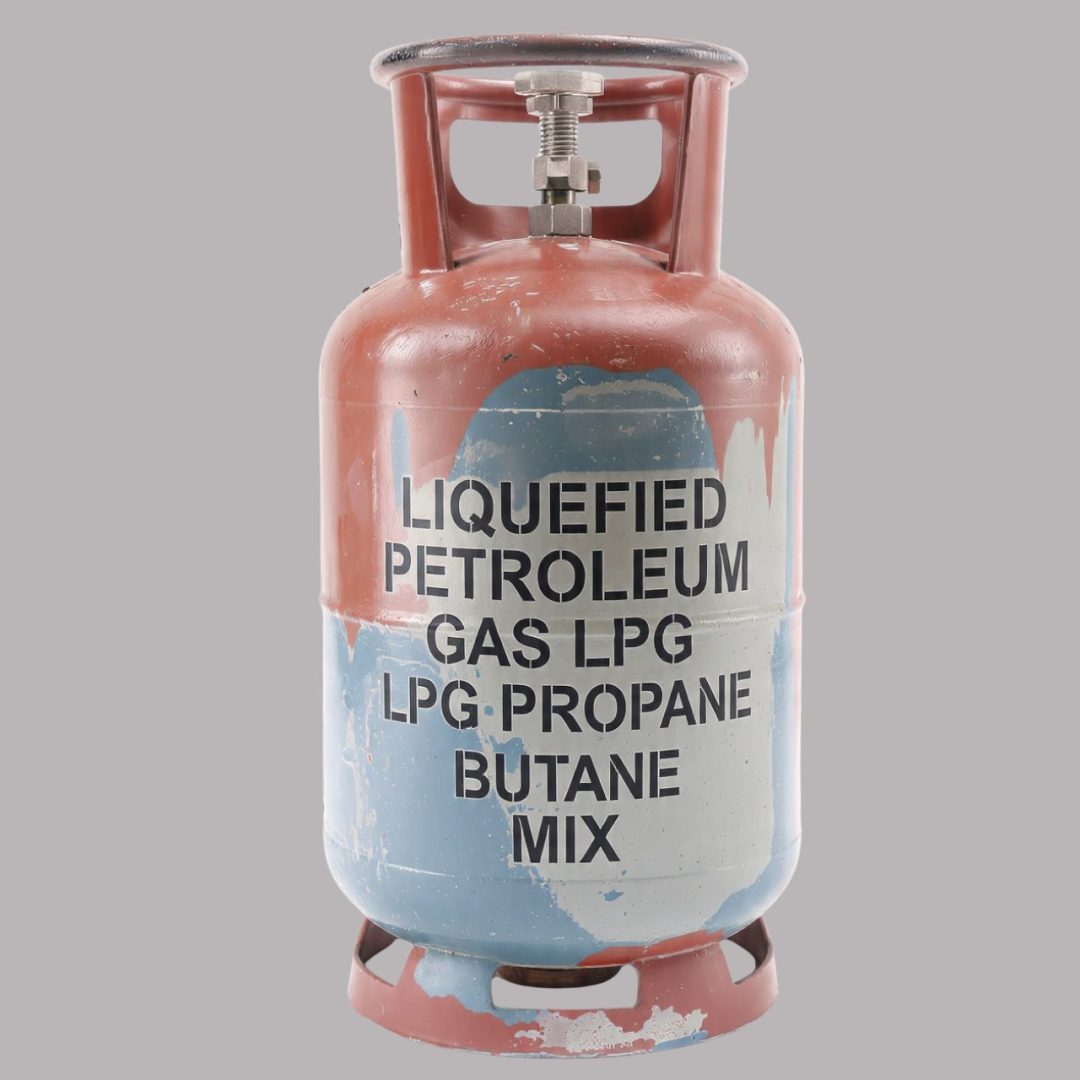
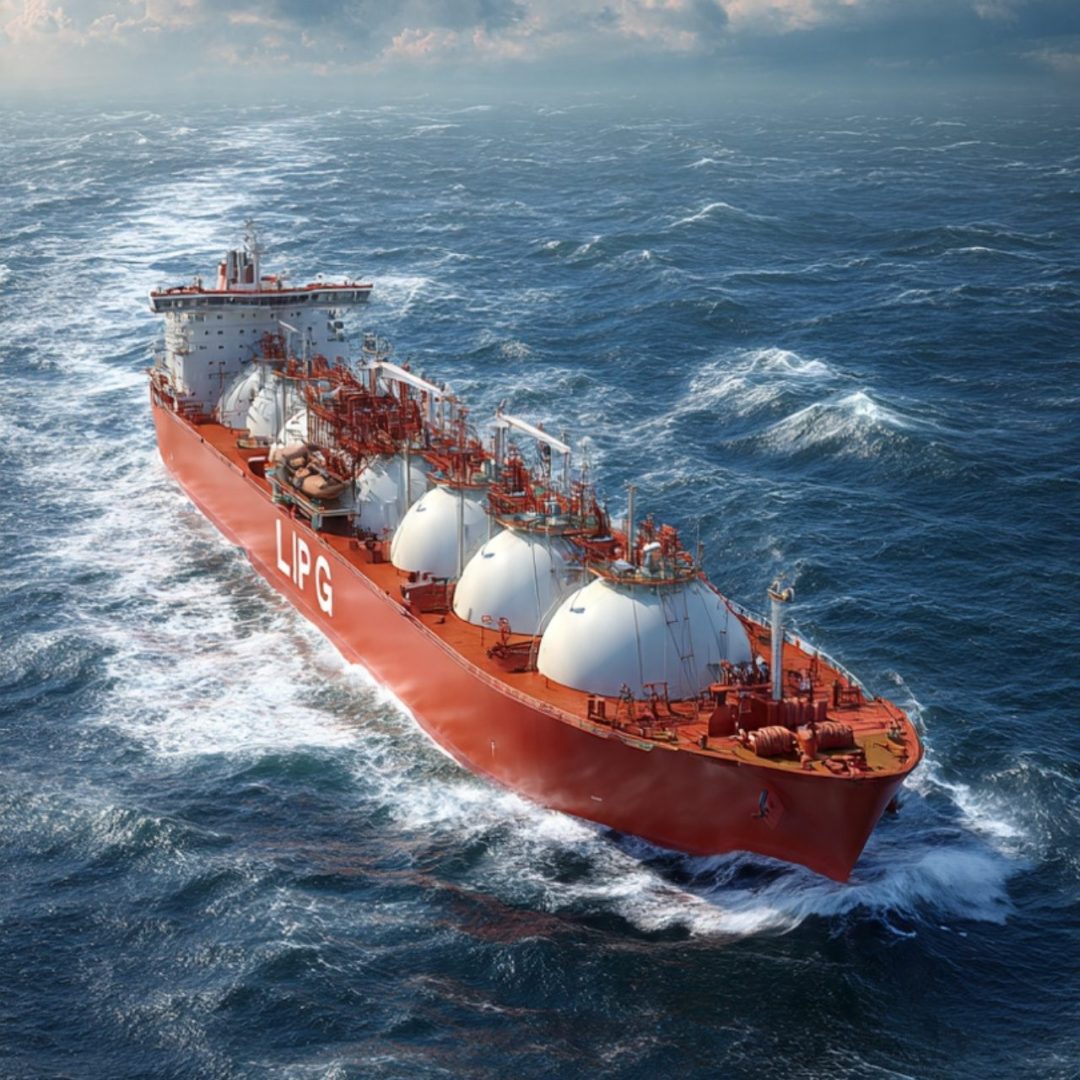
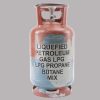


LPG stands for Liquefied Petroleum Gas. It is a fuel made mainly from propane and butane gases that are compressed into a liquid form for easy storage and transportation. LPG also known as “cooking gas” or “auto gas” is NOT a liquid fuel like diesel/gasoline. LPG is a gas at room temp that gets liquefied under pressure so you can store/transport it.
LPG is a mix of light hydrocarbon gases, mainly propane (C3H8) + butane (C4H10) and comes from Crude oil refining and Natural gas processing.
KEY PROPERTIES
• State: Colorless gas, liquefied under ~7-10 bar pressure at room temperature.
• Smell: Odorless naturally, but ethanethiol/ethyl mercaptan is added so leaks smell like rotten eggs.
• Density: Heavier than air. Leaks sink to ground, can run along floors/drains.
• Energy: ~94 MJ/m³, higher than natural gas 38 MJ/m³.
• Storage: Steel cylinders/tanks. 1L liquid → ~250L gas when vaporized.
• Sulfur: Almost zero sulfur = clean burning
GRADES/BLENDS
1. Propane = HD-5 grade, used as auto gas/vehicle fuel
2. Butane = More common for cooking in warm climates like Port Harcourt
3. Mix = Winter = more propane for vaporization. Summer = more butane d505
COMMON USES OF LPG
• Cooking (gas stoves and ovens)
• Heating homes and water
• Fuel for vehicles (often called autogas)
• Industrial applications such as metal cutting and manufacturing
ADVANTAGES
• Burns cleaner than coal or wood
• Produces high heat efficiently
• Easy to store in cylinders or tanks
• Portable and widely available
SAFETY
Because LPG is highly flammable:
• Store cylinders upright.
• Keep them away from heat sources.
• Check regularly for leaks.
• Ensure good ventilation when using LPG appliances.
Advantages
- Provides clean, efficient combustion with high energy output and minimal sulfur emissions, making it an environmentally friendly fuel for multiple applications.
- Available in propane, butane, and customized LPG blends to meet regional climate conditions and specific customer requirements.
- Each shipment undergoes strict quality control and testing to ensure purity, safety, and compliance with international LPG specifications before delivery.
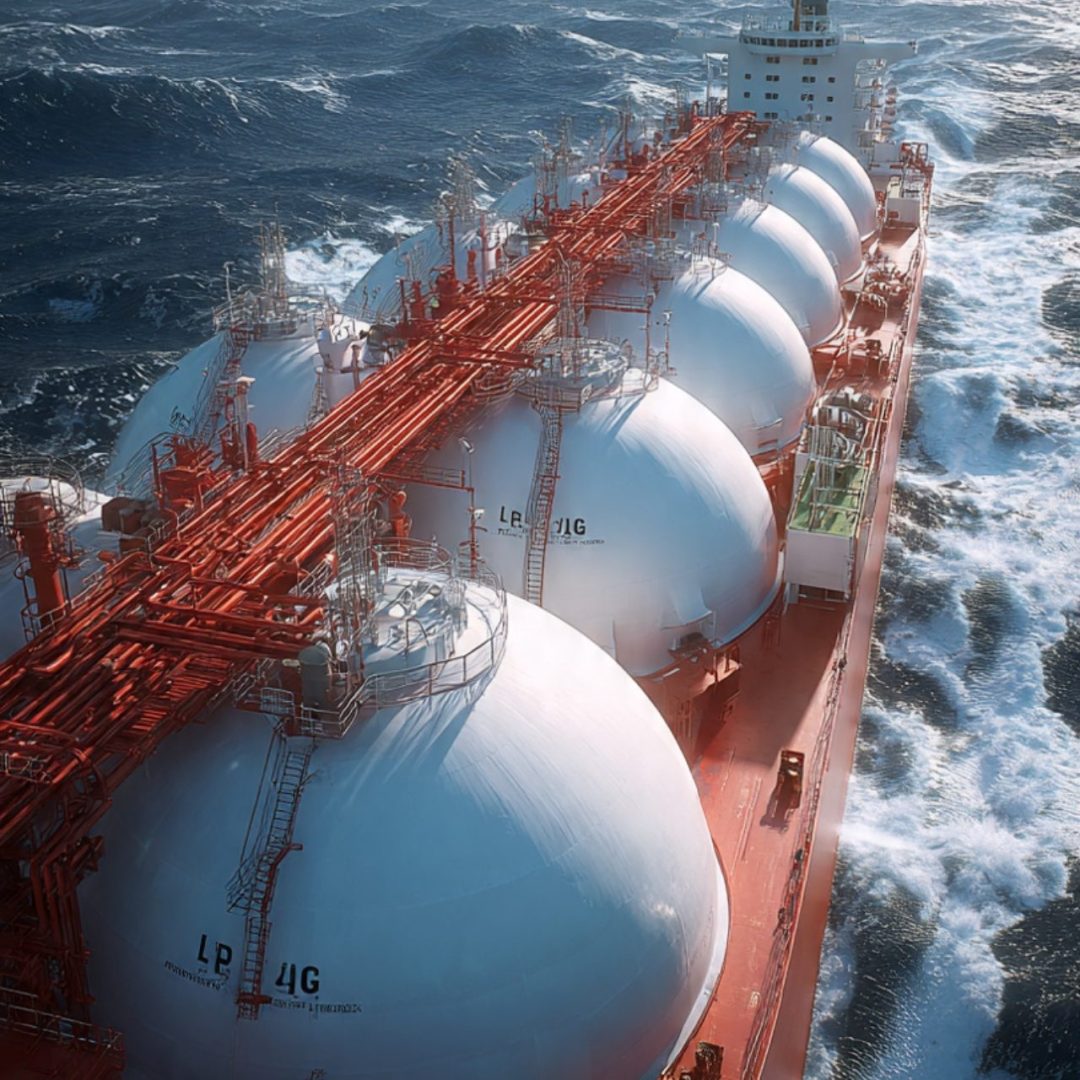
- Flexible supply options including bulk shipments, ISO tank containers, storage tank deliveries, cylinder filling, FOB, CIF, and long-term supply agreements tailored to buyer requirements.
Reviews
There are no reviews yet.