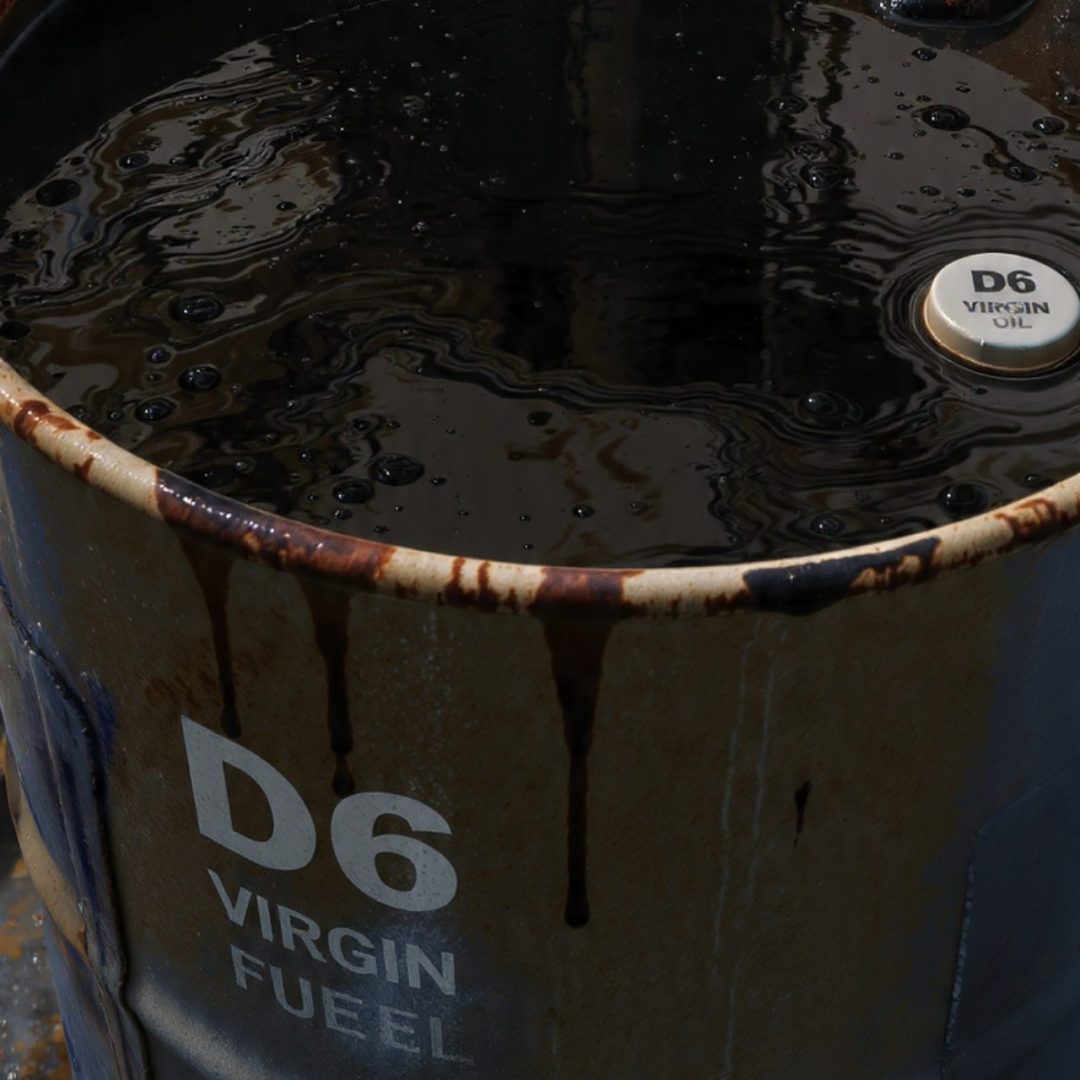
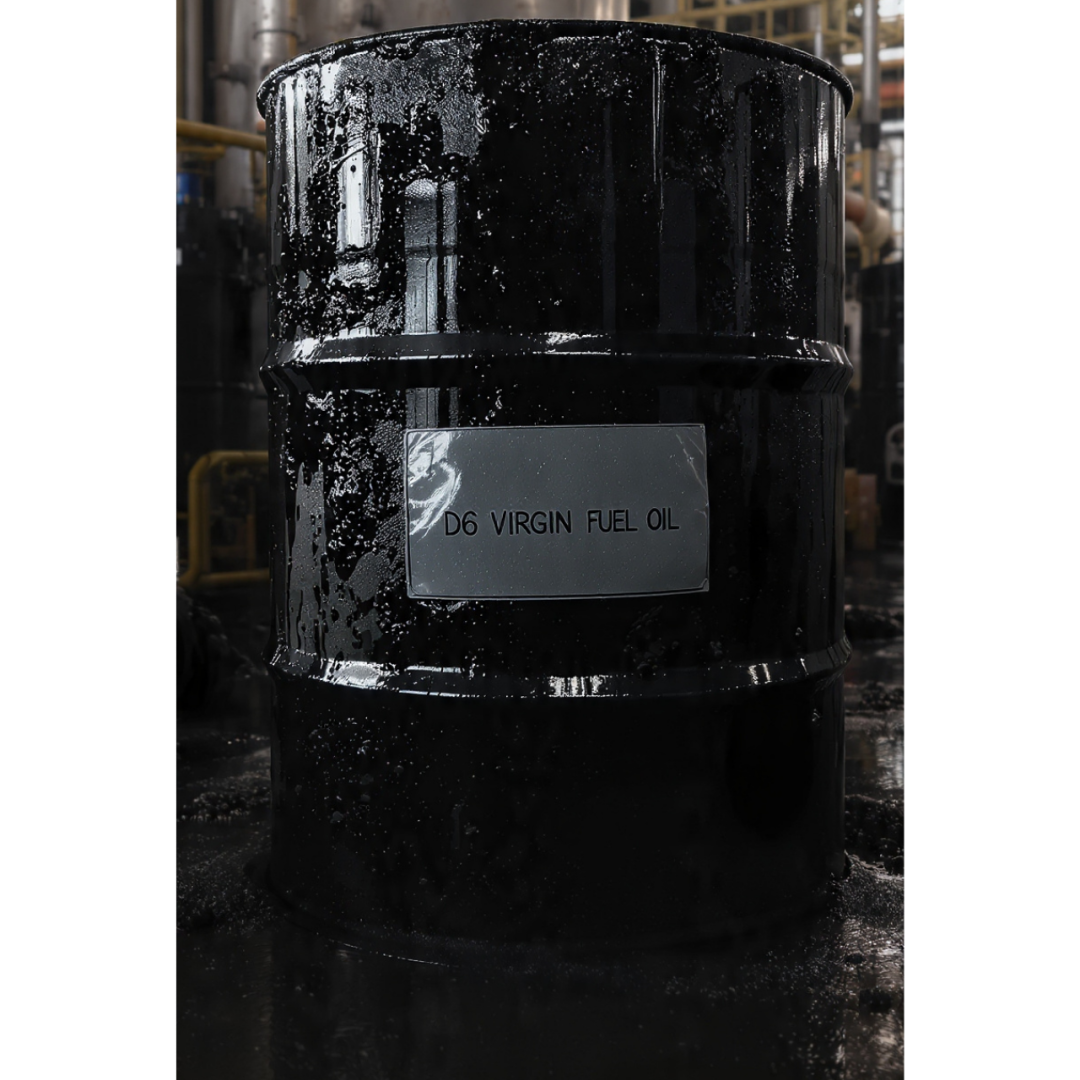
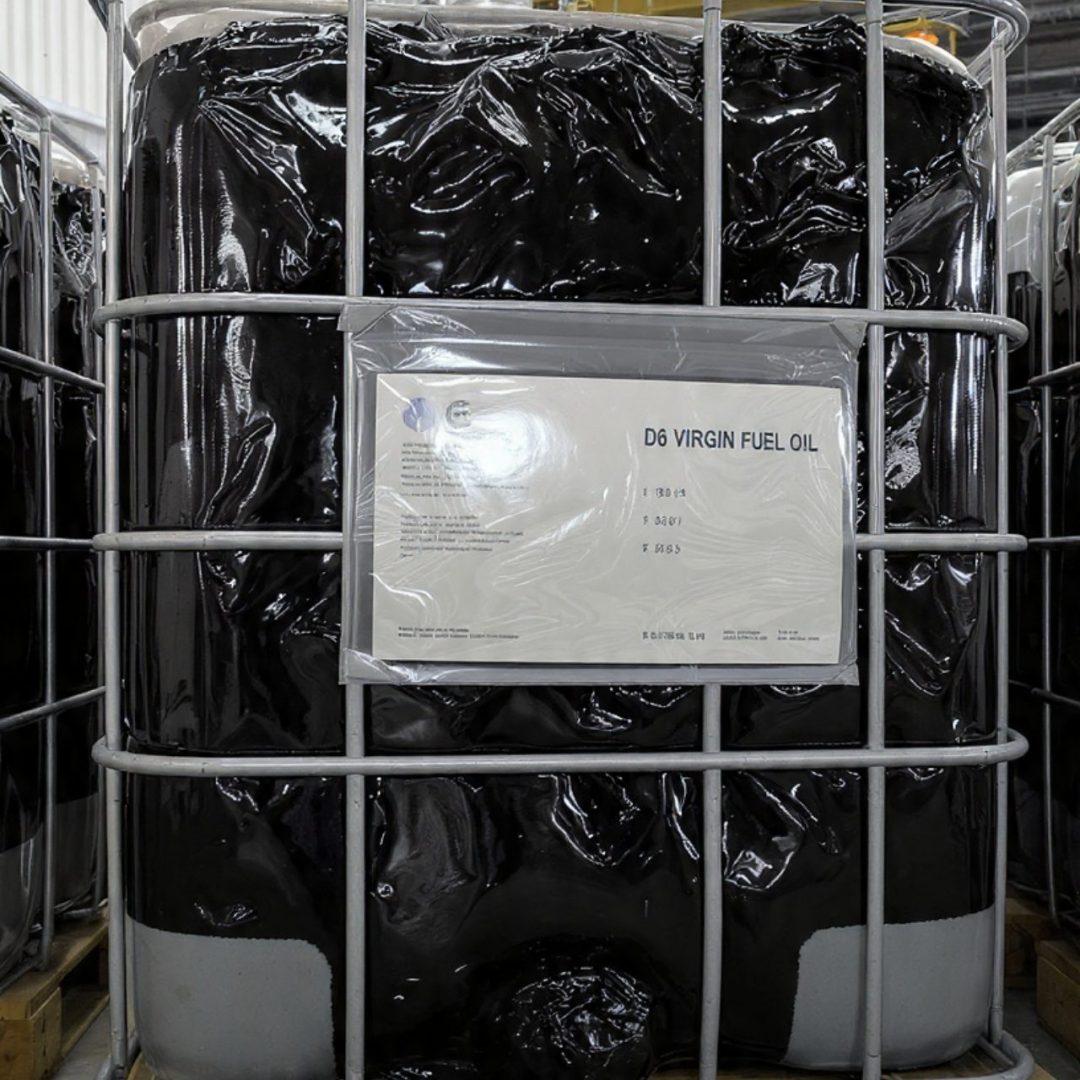
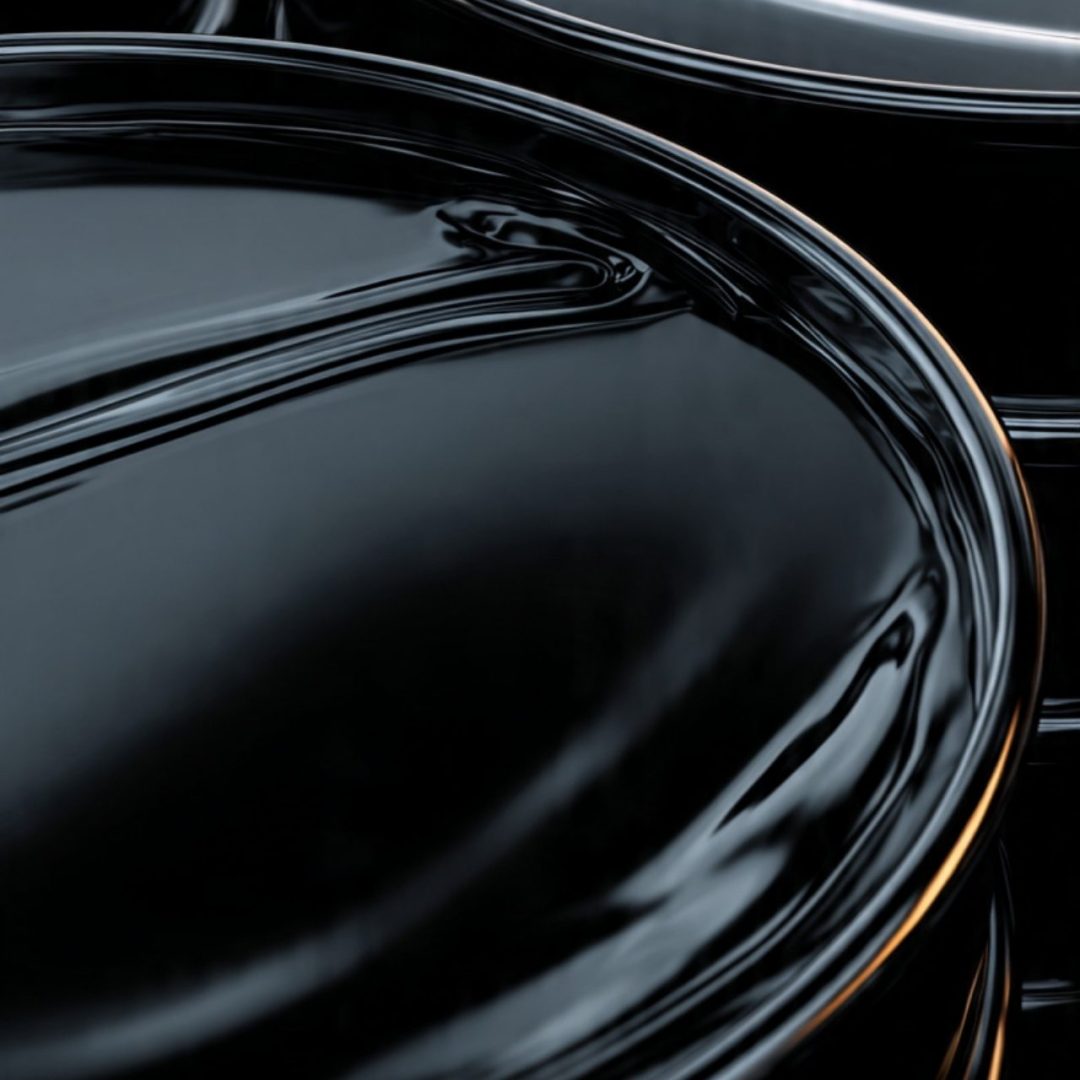


D6 Virgin Fuel Oil (often called D6 Virgin Oil, D6 Fuel Oil, or Residual Fuel Oil D6) is a heavy residual fuel obtained directly from the refining process and has not been previously used or reprocessed. It’s the heavy, “bottom of the barrel” fuel left after gasoline, diesel, jet fuel, etc. are distilled out of crude oil. “Virgin” just means it’s straight from the refinery, not recycled/blended waste oil.
D6 IS A HEAVY FUEL OIL (HFO) PRIMARILY USED FOR:
• Large industrial boilers
• Power plants
• Marine vessels (where regulations permit)
• Heavy industrial furnaces
It is much thicker and heavier than diesel or Jet A-1 and usually requires heating before it can be pumped or burned.
KEY CHARACTERISTICS
Fuel Type: Residual Fuel Oil
Appearance: Dark brown to black
Viscosity: Very high
Density: Higher than diesel
Heating Requirement: Usually required
Main Use: Industrial and marine fuel
KEY SPECS
Type: Heavy, high-viscosity residual fuel oil
• Grade: Category 6 fuel oil – thickest grade
• Viscosity: 650-900 cSt @ 50°C – like tar at room temp
• Color: Black, dense
• Energy: ~150,000 BTU/gallon – very high energy density
• Sulfur: High, typically <3.5%. Low-sulfur versions exist but cost more
• Flash point: Min 60°C.
HOW IT’S USED:
1. Power plants – Boilers & turbines for electricity, often backup fuel.
2. Large ships – Ocean tankers, bulk carriers, container ships as “bunker fuel”
3. Industrial – Cement plants, steel mills, big boilers/furnaces for process heat.
4. Large generators – Backup power for factories/grid.
IMPORTANT: SPECIAL HANDLING NEEDED
• D6 is so thick/viscous it must be pre-heated to 104-127°C before it can be pumped or burned. You need special storage tanks, heaters, and burners.
• Not for cars, small boats, or normal diesel engines. It will destroy them. D2 diesel is much lighter and for trucks/cars – D6 is only for massive engines designed for it.
COST VS ENVIRONMENT:
Pros: Cheap per energy unit, high BTU, cost-effective for bulk use
Cons: One of the most polluting fuels due to high sulfur + impurities → SO2, acid rain. Regulations now require desulfurization.
Advantages
- Provides high calorific value and exceptional energy efficiency, making it a cost-effective fuel for large-scale industrial and marine applications.
- Virgin refinery-produced fuel ensures consistent quality, stable combustion performance, and superior reliability compared to recycled or blended fuel oils.
- Every shipment is quality tested and inspected to verify compliance with contractual specifications and refinery standards before dispatch.
- Available under FOB, CIF, spot contracts, and long-term agreements with customized bulk shipment volumes tailored to industrial buyer requirements.
Reviews
There are no reviews yet.